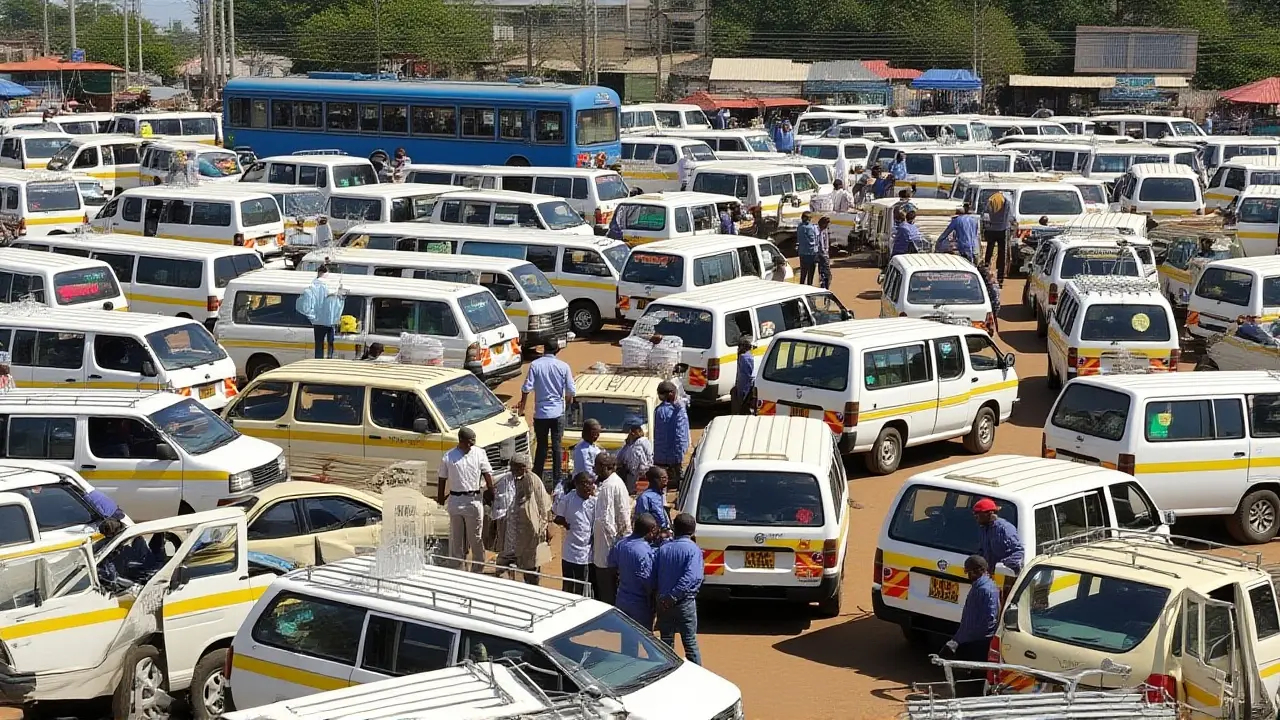
Commuters in Nairobi can breathe a sigh of relief. After months of chaotic strikes that left thousands stranded and businesses grinding to a halt, the Matatu Owners Association has officially confirmed that public transport will run as usual on Thursday, June 25, 2026. This assurance comes just hours before planned nationwide protests marking the anniversary of the Gen Z demonstrations, calming fears that the city’s vital artery would be severed once again.
The announcement is a significant pivot from recent history. For much of 2026, matatu operators have been at the center of a volatile standoff with the government over soaring fuel prices and regulatory interference. The threat of paralysis was real—and it happened repeatedly. Now, however, the owners are drawing a line in the sand: they will not join the protest shutdowns this time around.
A Year of Paralysis and Fare Hikes
To understand why this June 25 assurance matters, you have to look back at the chaos that defined early 2026. It started with frustration over diesel costs, but it quickly escalated into a full-blown mobility crisis. On May 18, 2026, the country witnessed one of its most severe transport breakdowns. Matatu operators announced a nationwide strike accompanied by a shocking 50% fare hike.
The impact was immediate and brutal. Thousands of commuters were left stranded across Kenya. Reports from outlets like The Citizen described scenes of gridlock and desperation as people tried to reach work or school without reliable transport. The strike wasn’t just an inconvenience; it paralyzed key highways and restricted movement in major towns. Even before that, operators had instituted "weekly Monday boycotts" starting in February, creating a rhythm of uncertainty for anyone relying on public transit.
"We were tired of being held hostage by fuel prices," said Abraham Gicovi, chairman of the Embu Matatu Owners Association, during a broadcast on Citizen TV Kenya in late June. His comments reflected the sentiment driving these actions: operators felt squeezed between rising operational costs and stagnant revenue.
The Role of Key Stakeholders
The situation wasn’t monolithic. Different groups within the industry took different stances, adding layers of complexity to the negotiations. In Nairobi, Chair Bosire, who leads matatu operators at the Railways terminus, issued a seven-day strike notice earlier in June. His grievance? Non-compliant operators who undercut agreed-upon fares, disrupting the collective bargaining power of the association.
This internal friction highlighted a broader issue: while some operators wanted to strike against the government, others were fighting their own peers for market share. The result was a patchwork of services—some areas saw total paralysis, particularly in the Mt Kenya region, while others experienced sporadic service.
Despite these tensions, there were moments of de-escalation. In mid-June, following talks with government officials, operators suspended a nationwide strike for one week. Frontier Online reported that normal services resumed during this truce, offering a brief glimpse of stability. But the underlying issues—fuel subsidies, route permits, and fare structures—remained unresolved.
Why June 25 Is Different
So, what changed for June 25? The date coincides with the anniversary of the Gen Z protests, a movement that began earlier in the year demanding political accountability. Security agencies had heightened preparations, fearing that transport unions might align with student protesters to amplify pressure on the state.
However, the Matatu Owners Association made a strategic decision to stay out of it. Social media posts under the banner "GEN Z ANNIVERSARY PROTESTS FEVER" clarified that operators would not withdraw vehicles. This isn’t necessarily a sign of reconciliation with the government, but rather a calculation. Operators realized that prolonged strikes hurt their bottom line more than they hurt the administration.
"The details are still unclear regarding long-term policy changes," noted one industry analyst. "But for now, the owners want to move money, not make statements."
What This Means for Commuters
For the average Kenyan, this means a return to relative normalcy—for now. You won’t see empty roads on June 25. You will see the usual crush of bodies in matatus, the usual haggling over change, and the usual delays caused by traffic, not strikes.
However, experts warn that this peace is fragile. Fuel prices remain high, and the economic pressure on operators hasn’t vanished. If the government fails to address the core grievances—specifically the cost of diesel and the enforcement of fare caps—the next strike could be even more disruptive. The suspension of the May strike was temporary; the resolution of the underlying conflict is still pending.
Looking Ahead: The Next Flashpoint
All eyes are now on the coming weeks. Will the government follow up on the talks that led to the mid-June truce? Or will operators return to the streets if fuel prices tick upward again? The Matatu Owners Association has signaled willingness to engage, but patience is wearing thin.
Meanwhile, commuters should prepare for potential volatility. While June 25 is clear, the precedent set by the May 18 strike shows how quickly the situation can deteriorate. Keep an eye on announcements from local associations, especially in regions like Mt Kenya and Nairobi’s informal settlements, where tensions tend to flare first.
Frequently Asked Questions
Will matatus operate normally on June 25, 2026?
Yes. The Matatu Owners Association has explicitly assured the public that services will run as usual on Thursday, June 25, 2026, despite the planned Gen Z anniversary protests. They have committed not to withdraw vehicles from service on this date.
Why did matatu operators strike in May 2026?
The May 18, 2026 strike was driven by escalating fuel prices and disputes over regulatory interference. Operators demanded better support for rising operational costs and implemented a controversial 50% fare hike to offset expenses, leading to widespread transport paralysis.
Who is Chair Bosire and what is his role?
Chair Bosire is the leader of matatu operators at the Railways terminus in Nairobi. He recently issued a seven-day strike notice targeting non-compliant operators who fail to adhere to agreed-upon rules, highlighting internal conflicts within the industry beyond just government disputes.
Is the current peace permanent?
Not necessarily. While operations are normal for June 25, the underlying issues of fuel costs and fare regulation remain unresolved. Experts warn that if economic pressures intensify or government talks stall, further strikes could occur in the coming months.
How did the May strike affect daily life in Kenya?
The May 18 strike caused severe disruptions, stranding thousands of commuters and paralyzing transport in Nairobi and other towns. Key highways were blocked, leading to massive traffic congestion and significant losses for businesses reliant on timely logistics and workforce mobility.
12 Responses
glad to hear the matatus are running again, it must have been so stressful for everyone trying to get to work during those strikes :)
This is absolutely pathetic. The so-called 'owners' are just greedy parasites who think they can hold an entire city hostage whenever their profit margins dip slightly. They strike when fuel prices go up, then suddenly decide to be 'normal' when it suits their narrative? Don't believe a word of it. This isn't relief; it's a temporary pause before they squeeze us dry again with those insane fare hikes. The government should have crushed this union years ago instead of negotiating with terrorists in suits. We deserve better than being pawns in their financial chess game.
It is interesting to observe how economic pressure forces these groups into alignment or division. One has to wonder if the decision not to strike on June 25 is truly about solidarity with the Gen Z movement or simply a calculated risk to preserve capital. The human element here is fascinating because we see people trapped between survival and principle. How do you maintain dignity when your livelihood depends on a system that feels hostile to you? I suppose we will never know the true internal deliberations, but the external result is stability for now.
typical drama king behavior from these operators honestly they love the attention way too much its all about the power trip really
I find it utterly preposterous that anyone would consider this a victory for public transport. The fact that we are celebrating the mere absence of chaos speaks volumes about the decay of our civic infrastructure. These matatu owners operate with a level of impunity that would be unthinkable in more developed nations, treating public roads as their personal fiefdoms. To suggest that their 'assurance' brings relief is to ignore the systemic rot that allows such volatile actors to dictate the flow of commerce and daily life. We need regulation, not reliance on the whims of self-appointed bosses who care nothing for the commuter experience beyond what fills their pockets.
The notion that this peace is fragile is an understatement. It is fundamentally unstable because the underlying economic contradictions remain unaddressed. Fuel prices are a global metric, yet local operators treat them as a personal affront. The strategic withdrawal from the protest is not moral; it is mercenary. One must appreciate the cold logic of it: money moves, statements don't. However, this does not absolve them of the disruption caused earlier. It merely postpones the inevitable reckoning.
😂😂😂 look at them pretending to be responsible citizens now. pure comedy. these guys are nothing but thugs with licenses. i told you all they would fold when the real heat came on. enjoy the ride while it lasts, fools. 🚕💸
It is important to recognize the complexity of the situation for both drivers and passengers. While the frustration is understandable, striking often hurts the most vulnerable workers who lose daily wages. Perhaps there are alternative ways to address cost concerns without paralyzing the city. Dialogue seems to be working temporarily, which is a positive step toward sustainable solutions.
You people are sleeping on the real issue here which is that foreign influence and bad policy decisions by the elite in Nairobi have ruined the transport sector for everyone else. The matatu owners are just reacting to a system designed to fail them. If you look at the history of Kenya since independence, you see a pattern of exploitation where the common man is always left holding the bag. This isn't just about fuel; it's about sovereignty and control over our own resources. Wake up and smell the coffee because the next time they strike, it won't be about fares, it will be about freedom.
Sure, let's believe the 'official' announcement. Because clearly, the Matatu Owners Association is a transparent, benevolent organization dedicated to public welfare. Right. 😒 This is just another layer of the grand deception to keep us docile while they consolidate power. The Gen Z protests are being neutralized not by dialogue, but by co-opting the very systems of oppression. Enjoy your 'normal service' while they tighten the noose around your neck.
Let's stay positive! At least we can move freely today. Keep pushing forward and supporting local businesses despite the challenges! 💪✨
In the quiet moments after the noise fades, one realizes that stability is merely the absence of visible conflict. The matatus run, yes, but the spirit of the city remains fractured. We move through the streets like ghosts, haunted by the memory of paralysis. What does it mean to be free when your mobility is contingent on the mood of a few men in offices? The answer lies not in the vehicles, but in the void they leave behind.