Tanzania Election Violence: What Happened and Why It Matters
When Tanzania election violence, violent clashes following disputed national elections in Tanzania that led to arrests, internet shutdowns, and international condemnation. Also known as post-election unrest in Tanzania, it exposed deep fractures in the country’s political system and raised urgent questions about democratic accountability in East Africa. The violence didn’t come out of nowhere. It erupted after the 2020 presidential vote, when opposition leaders and independent observers claimed widespread ballot stuffing and voter suppression. The government denied it, but videos of police beating protesters, homes being raided, and opposition figures disappearing went viral—despite the internet being cut for days.
What made this different from past elections was the scale and the silence. Unlike neighboring Kenya or Nigeria, where election protests often get global media attention, Tanzania’s crackdown was quiet but brutal. Security forces targeted not just activists, but journalists, lawyers, and even teachers who spoke out. The Tanzanian government, the central authority responsible for managing national elections and maintaining public order in Tanzania shut down independent media outlets and arrested critics under vague national security laws. Meanwhile, the electoral commission, the official body tasked with overseeing fair elections in Tanzania refused to release detailed vote counts, fueling suspicion that the results were manipulated. International observers from the African Union and the EU were denied full access, and when they did speak up, they were labeled as interfering.
The fallout didn’t stop at the ballot box. Communities in Dar es Salaam, Mwanza, and Kigoma saw families torn apart—some lost loved ones to police bullets, others lost their businesses after being labeled opposition sympathizers. Students who organized peaceful protests were expelled. Doctors who treated injured protesters were threatened. And the silence from regional leaders? It was deafening. Countries like Uganda and Rwanda, which have their own democratic struggles, didn’t say a word. This wasn’t just about one election. It was a warning: when power is concentrated, truth is suppressed, and institutions are weakened, violence becomes the only language left.
What you’ll find below are reports, eyewitness accounts, and analysis pieces that piece together what really happened during those dark weeks. No fluff. No spin. Just the facts as they unfolded—on the ground, in the streets, and behind closed doors.
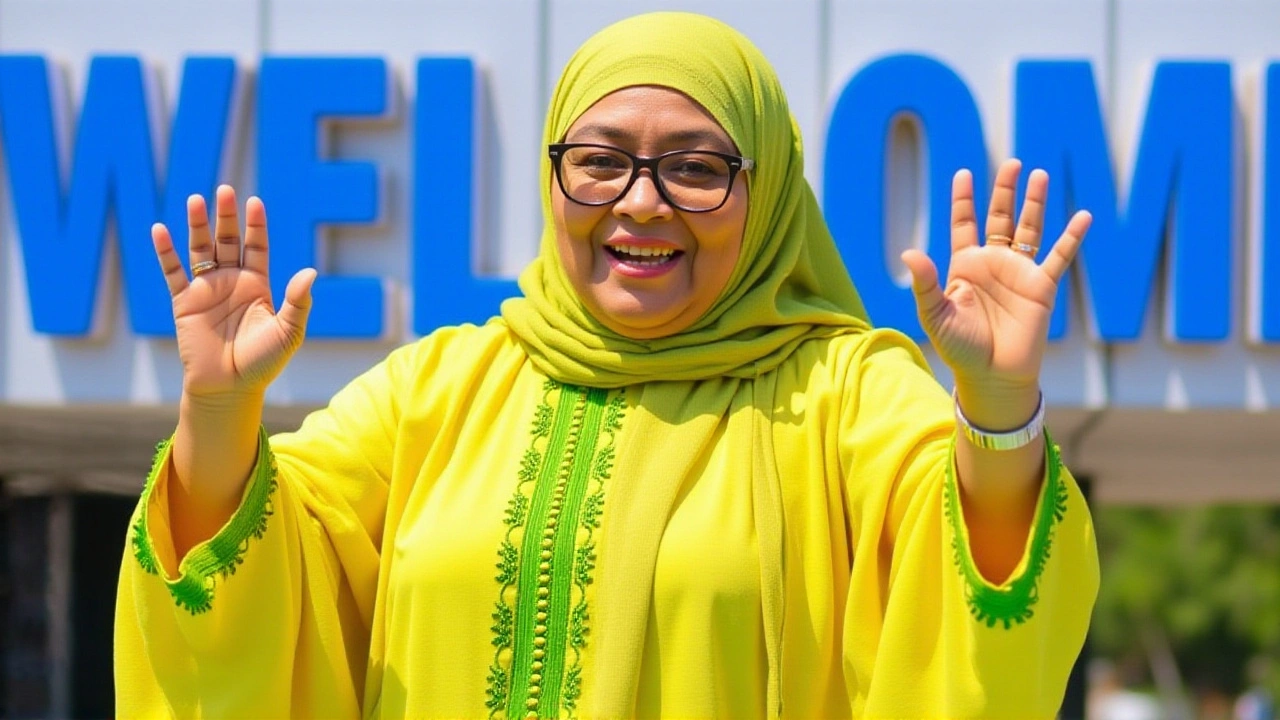
Activists Demand ICC Probe Into Tanzanian President Over Post-Election Killings
Human rights groups urge the ICC to investigate Tanzanian President Samia Suluhu Hassan over alleged post-election killings of 700–3,000 protesters, sparking international condemnation, aid suspension, and fears Tanzania will leave the Rome Statute.
Julian Parsons | Dec, 4 2025 Read More