International Criminal Court: What It Does and Why It Matters
When we talk about International Criminal Court, a permanent global tribunal established to prosecute individuals for the most serious crimes under international law. Also known as the ICC, it’s the only court of its kind that can step in when national systems fail to act. Unlike regular courts, it doesn’t handle everyday crimes—it’s built to go after leaders, generals, and others responsible for genocide, war crimes, and crimes against humanity. This isn’t about petty theft or traffic violations. It’s about mass killings, torture, forced displacement, and systematic attacks on civilians.
The International Criminal Court doesn’t replace national courts. It only steps in when a country is unwilling or unable to prosecute its own people. That’s why it’s often involved in places where governments are part of the problem—like when militias target ethnic groups, or armies bomb hospitals. The court’s power comes from countries that signed the Rome Statute, the treaty that created it in 1998. But not every nation is on board. Major powers like the U.S., China, and Russia don’t recognize its authority, which limits what it can do.
The war crimes it investigates are real, documented, and often horrific. Think of children recruited as soldiers, villages burned to the ground, or women systematically raped as weapons of war. The crimes against humanity charges cover large-scale, state-backed violence. And genocide is the most serious—when a group is targeted for total destruction based on ethnicity, religion, or nationality. The ICC has gone after African warlords, Balkan commanders, and even sitting heads of state. But it’s never been perfect. Critics say it focuses too much on Africa. Supporters argue it’s the only tool left when justice is ignored.
What you’ll find here aren’t just headlines. These are real stories—cases that made headlines, people who faced trial, and the messy politics behind every decision. Some posts show how the ICC’s rulings ripple through local communities. Others reveal how political pressure can delay justice. There are also stories about victims waiting years for answers, and how international law tries to catch up with real-world chaos. This isn’t theoretical. It’s about accountability—when it works, and when it doesn’t.
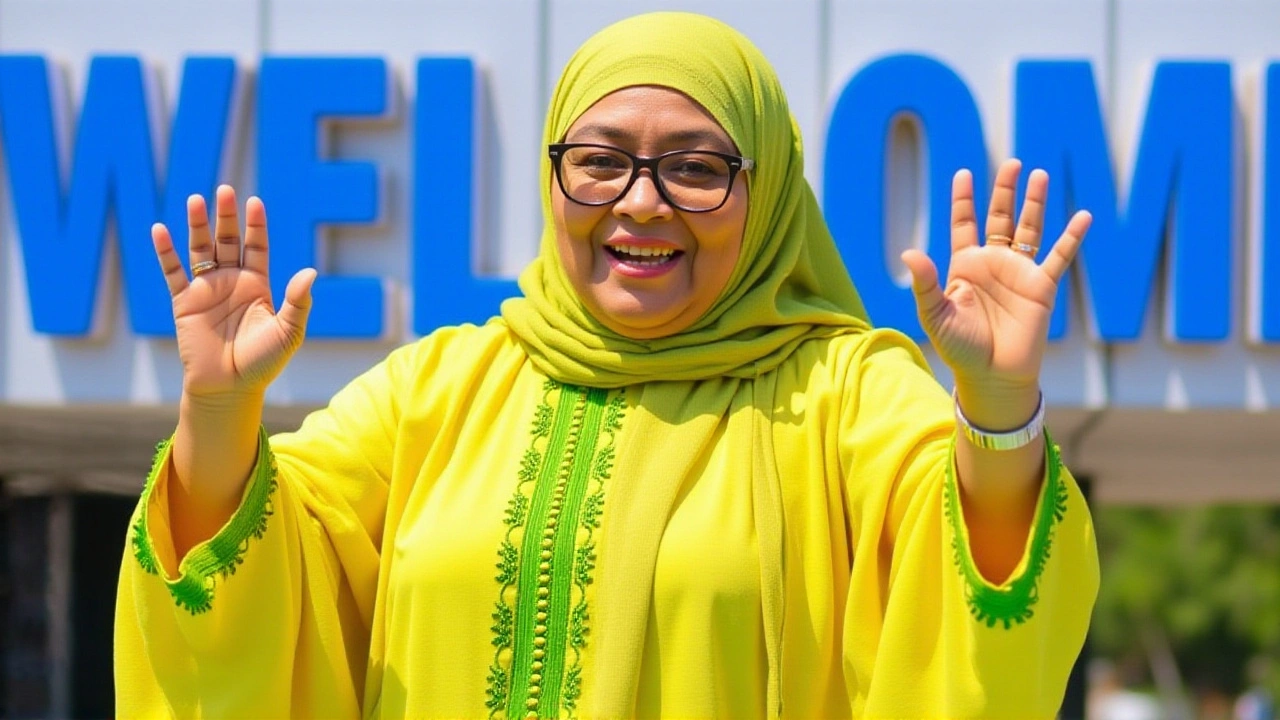
Activists Demand ICC Probe Into Tanzanian President Over Post-Election Killings
Human rights groups urge the ICC to investigate Tanzanian President Samia Suluhu Hassan over alleged post-election killings of 700–3,000 protesters, sparking international condemnation, aid suspension, and fears Tanzania will leave the Rome Statute.
Julian Parsons | Dec, 4 2025 Read More