Crimes Against Humanity: What They Are and Why They Matter
When we talk about crimes against humanity, organized, widespread attacks on civilian populations, often ordered by governments or powerful groups. Also known as systematic human rights violations, these aren’t random acts of violence—they’re calculated, deliberate, and designed to crush entire communities. Think of it this way: if a single murder is a crime, a massacre of thousands because of their ethnicity, religion, or political views? That’s a crime against humanity.
These crimes don’t just happen in war zones. They show up in forced disappearances, mass rape as a weapon, ethnic cleansing, and even when governments lock people up just for speaking out. The key is scale and intent. One person tortured? Tragic. Thousands tortured because they’re part of a group the state wants to erase? That’s a crime against humanity. And it’s not just a moral issue—it’s a legal one. The International Criminal Court, backed by over 120 countries, has the power to track down and prosecute those responsible. But enforcement is messy. Leaders often hide behind borders, and powerful nations sometimes block action.
Related concepts like war crimes, violations of the rules of armed conflict, like targeting hospitals or using child soldiers often overlap, but they’re not the same. War crimes happen during active conflict. Crimes against humanity can happen in peace or war—they’re about targeting civilians because of who they are, not because of what they did. Then there’s genocide, the specific intent to destroy a national, ethnic, or religious group in whole or in part. Genocide is a subset of crimes against humanity, but it’s the most extreme version. And human rights, the basic freedoms and protections every person is entitled to are the foundation these crimes shatter.
What you’ll find here aren’t just headlines. These are real stories—of people caught in systems designed to silence them, of institutions that tried to stop it, and of the long, slow fight for justice. Some posts cover trials, others expose cover-ups. Some show how communities rebuild after unimaginable loss. None of it is easy to read. But understanding these crimes isn’t about feeling guilty—it’s about knowing what to watch for, who’s responsible, and why silence isn’t an option.
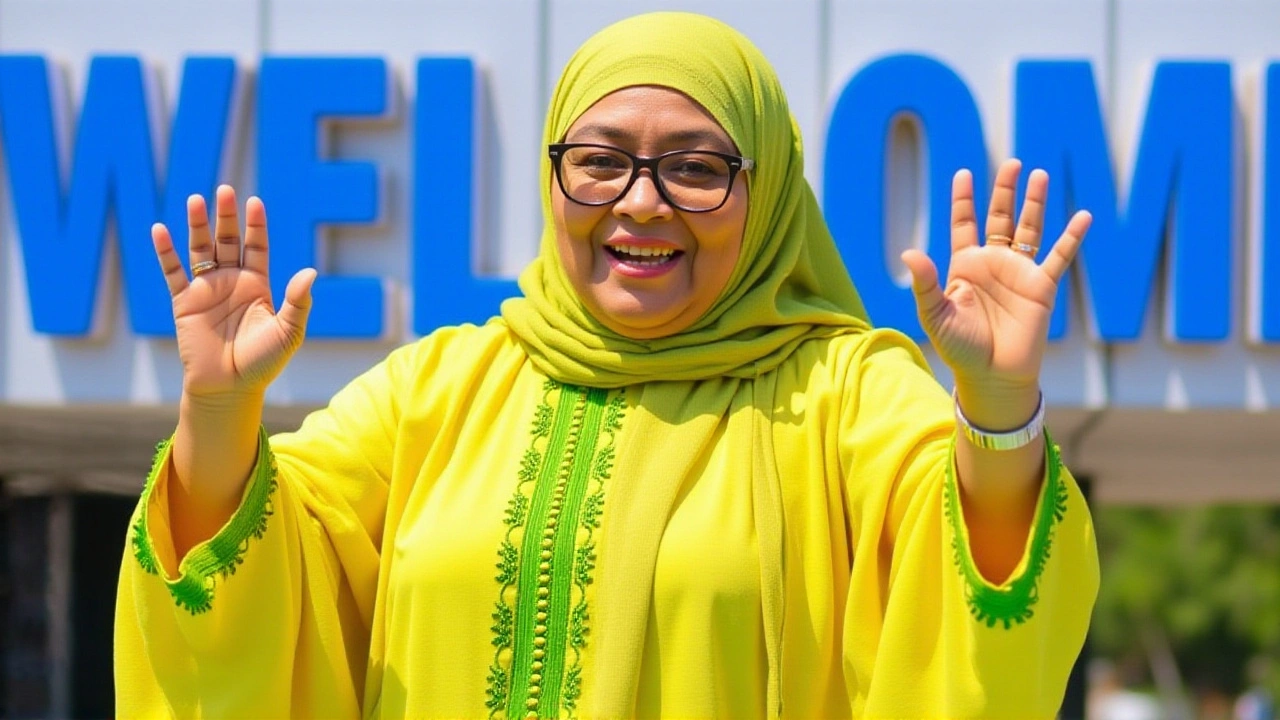
Activists Demand ICC Probe Into Tanzanian President Over Post-Election Killings
Human rights groups urge the ICC to investigate Tanzanian President Samia Suluhu Hassan over alleged post-election killings of 700–3,000 protesters, sparking international condemnation, aid suspension, and fears Tanzania will leave the Rome Statute.
Julian Parsons | Dec, 4 2025 Read More