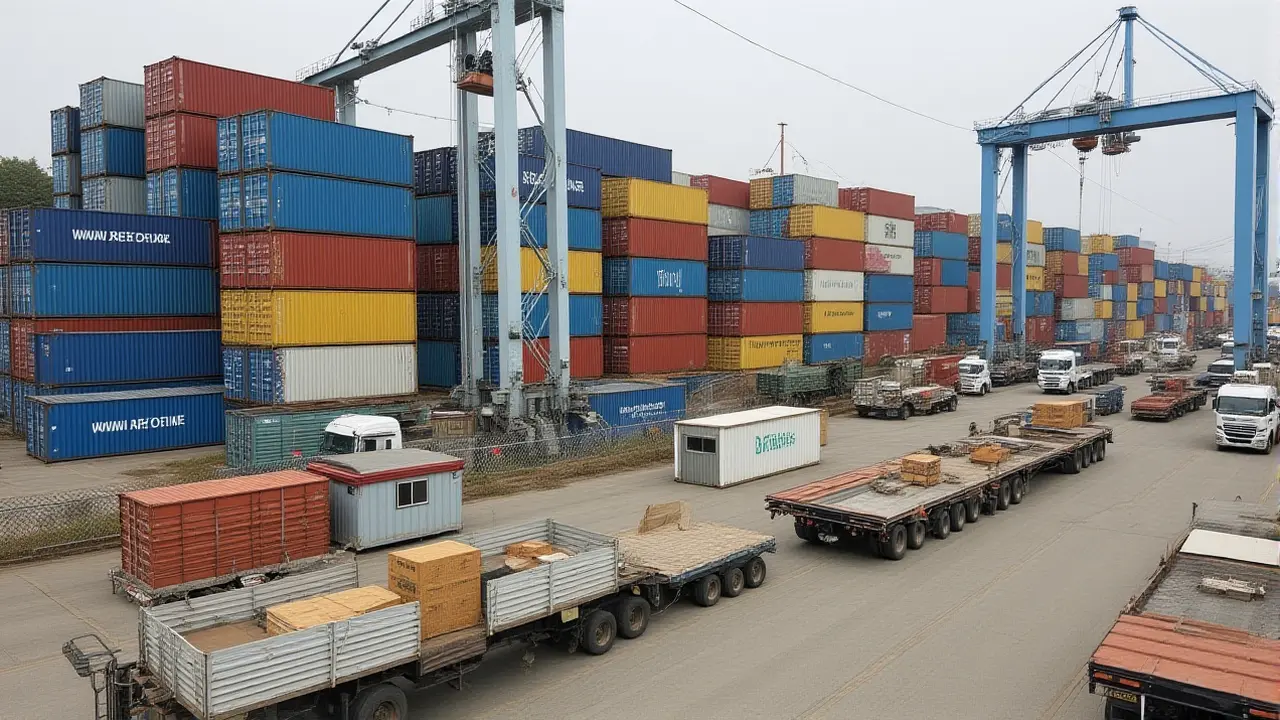
When The Insurance Regulatory Authority (IRA) declared that all systems are go for mandatory local marine insurance, the message was clear: the era of underinsured cargo and foreign-dominated risk pools in East Africa is officially over. The announcement, made from their headquarters in Nairobi, signals a pivotal shift in how maritime trade risks are managed within the region.
Here’s the thing—this isn’t just bureaucratic red tape. It’s a structural overhaul designed to keep premiums and claims data within local borders, boosting the domestic insurance market’s capacity to handle high-value logistics. For importers, exporters, and shipping lines operating through the port of Mombasa, the clock has started ticking on compliance.
The Regulatory Shift Explained
The core of this new directive is simple but impactful. Previously, many Kenyan businesses could opt for international marine insurance policies, often placing risk capital in London or Singapore. The IRA’s move mandates that specific categories of marine cargo and hull insurance must now be underwritten by locally licensed insurers. This ensures that the financial resilience of the country’s maritime sector is built on homegrown capital.
Turns out, this has been brewing for months. The regulator has spent the last year assessing the solvency and technical capability of local players to take on these complex risks. Now, with the "all systems go" statement, they’re confident the market is ready. But wait—what does this actually mean for your bottom line?
For small-to-medium enterprises (SMEs), the immediate concern is cost. Will local premiums be higher than global rates? Industry analysts suggest that while initial pricing might see a slight adjustment as local insurers recalibrate their risk models, the long-term benefit lies in faster claim settlements and reduced currency exchange friction. No more waiting weeks for a payout from an overseas carrier; disputes are resolved locally, under local law.
Industry Reactions and Stakeholder Views
The reaction from the business community has been mixed, which is typical for any major regulatory change. Logistics firms, who bear the brunt of operational adjustments, have expressed cautious optimism. They appreciate the clarity but worry about the transition period.
"We’ve been preparing for this," said one senior logistics manager based in Nairobi. "The key is ensuring our local partners have the reinsurance backing to cover large-scale shipments. If they do, we’re good. If not, we’ll face bottlenecks."
On the other side, local insurance brokers are celebrating. They see this as a massive opportunity to grow their portfolios. With the mandate in place, they can offer comprehensive marine packages without competing against deep-pocketed international giants for every single contract. It levels the playing field.
However, some larger multinational corporations are pushing back quietly. Their legal teams are reviewing existing contracts to identify clauses that may now be non-compliant. The twist is that there’s likely a grace period for renewals, but new contracts signed after the effective date will strictly adhere to the local mandate.
Broader Economic Implications
Why does this matter beyond the boardroom? Because marine insurance is the backbone of global trade. When you buy electronics from Asia or export coffee to Europe, that cargo is insured. By keeping this insurance local, Kenya retains valuable economic activity. Premiums paid stay in the economy, investments are made in local infrastructure, and expertise is developed domestically.
This also aligns with broader African Union goals for regional economic integration. Stronger local financial services sectors mean less dependency on external shocks. If a global insurer pulls out due to geopolitical tensions, a robust local market can absorb the shock. That’s resilience.
Furthermore, it encourages innovation. Local insurers are now incentivized to develop better risk assessment tools tailored to East African ports and routes. Think AI-driven weather monitoring for the Indian Ocean or blockchain for transparent cargo tracking. These technologies benefit everyone in the supply chain.
What’s Next for Businesses?
If you’re involved in shipping or importing, here’s your checklist. First, audit your current marine insurance policies. Identify which ones are held with international carriers. Second, engage with your local broker immediately. Don’t wait until renewal time. Third, review your contracts with suppliers and buyers to ensure force majeure and insurance clauses reflect the new regulatory reality.
The IRA is expected to release detailed guidelines in the coming weeks, specifying exactly which types of marine assets fall under the mandate. Keep an eye on their official communications. Non-compliance could lead to fines or, worse, inability to clear goods at customs. Nobody wants that headache.
Background: The Road to Mandate
This didn’t happen overnight. The push for local content in insurance dates back several years, driven by concerns over balance of payments and market penetration. In 2019, the IRA introduced stricter licensing requirements for foreign insurers operating in Kenya. Then came the push for reinsurance retention ratios. Each step was designed to build local capacity.
The marine sector was always seen as the final frontier because of its complexity and high value. International insurers dominated it due to their vast historical data and global networks. But with digitalization and improved local actuarial science, the gap has narrowed. The IRA’s confidence stems from this convergence.
Historically, similar moves in other emerging markets have shown positive results. India’s push for local health insurance, for example, led to greater accessibility and lower costs over time. Kenya’s marine insurance mandate aims for similar outcomes: a stronger, more self-reliant financial ecosystem.
Frequently Asked Questions
Who is affected by the new mandatory local marine insurance rule?
Any business engaged in importing or exporting goods via sea freight into or out of Kenya is affected. This includes logistics companies, shipping lines, manufacturers, and traders. Specifically, entities that previously used international marine insurance providers for cargo or hull coverage must now switch to locally licensed insurers for mandated categories.
When does the mandate officially come into effect?
While the IRA has declared "all systems go," the exact enforcement date for new contracts is typically aligned with policy renewal cycles. Existing policies may continue until expiration, but new agreements signed after the guideline release date will require local underwriting. Businesses should expect detailed implementation timelines in the next few weeks.
Will insurance premiums increase for local businesses?
Initially, there might be minor price adjustments as local insurers calibrate their risk models. However, experts predict that long-term costs could stabilize or even decrease due to reduced administrative fees, faster claim processing, and elimination of currency conversion costs associated with international payouts.
What happens if a company fails to comply?
Non-compliance can result in penalties from the Insurance Regulatory Authority. More critically, goods covered by non-compliant international policies may face delays or rejection during customs clearance, as authorities will verify insurance documentation. This could disrupt supply chains significantly.
Why is the IRA focusing on marine insurance specifically?
Marine insurance involves high-value transactions and significant risk exposure. Historically, most of this premium revenue left the country to international insurers. By mandating local coverage, the IRA aims to retain capital within Kenya, strengthen local insurers' balance sheets, and ensure that risk management expertise remains domestic.